
Understanding When You Need a Panel Replacement
Knowing when to replace your breaker box is the first step toward a safer home. Most properties built before 1990 still operate with panels designed for lower electrical demands. Today’s households require significantly more power due to central air conditioning systems, multiple kitchen appliances, home offices, and electric vehicle chargers. If you notice frequent breaker trips, dimming lights when appliances start, or visible scorch marks around breakers, these are clear indicators that your system is overloaded. In the humid climate typical of the Gulf Coast region, corrosion inside older panels accelerates deterioration, making timely replacement even more critical. Homes with fuse boxes or panels rated below 100 amps cannot safely support modern electrical loads. Federal Pacific, Zinsco, and certain Challenger panels have known safety issues and should be replaced immediately regardless of age. During summer months when air conditioning runs continuously, an undersized panel struggles to distribute power efficiently, leading to potential safety hazards. Scheduling an inspection before problems escalate protects your property and ensures your system meets current code requirements. Professional assessment identifies hidden issues like aluminum wiring connections or improper grounding that compromise safety.
Planning Your System Enhancement Project
Proper planning transforms a complex replacement into a smooth, efficient process. Start by calculating your total electrical load, including all major appliances, HVAC systems, water heaters, and any planned additions like pool equipment or workshop tools. Most modern homes require at least 200-amp service, though properties with electric heating or extensive shop equipment may need 400-amp capacity. Contact your utility company early to verify service availability and schedule meter disconnection, as this step typically requires advance notice. Obtain necessary permits from your local building department before any work begins, ensuring the project meets all code requirements. Create a detailed timeline that accounts for material delivery, utility coordination, and inspection schedules. Identify a temporary power solution if you cannot tolerate a full day without electricity, though most replacements complete within six to eight hours. Review your property’s grounding system, as older homes may need updates to meet current standards. Consider future needs when sizing your new panel, allowing room for additional circuits you might add later. Document your existing circuit layout with photos and labels before disconnection, making reconnection more efficient. Clear the work area around your current panel, removing stored items and ensuring technicians have adequate workspace. Notify household members about the planned outage and arrange alternative locations for activities that require power.

Essential Safety Protocols During Replacement
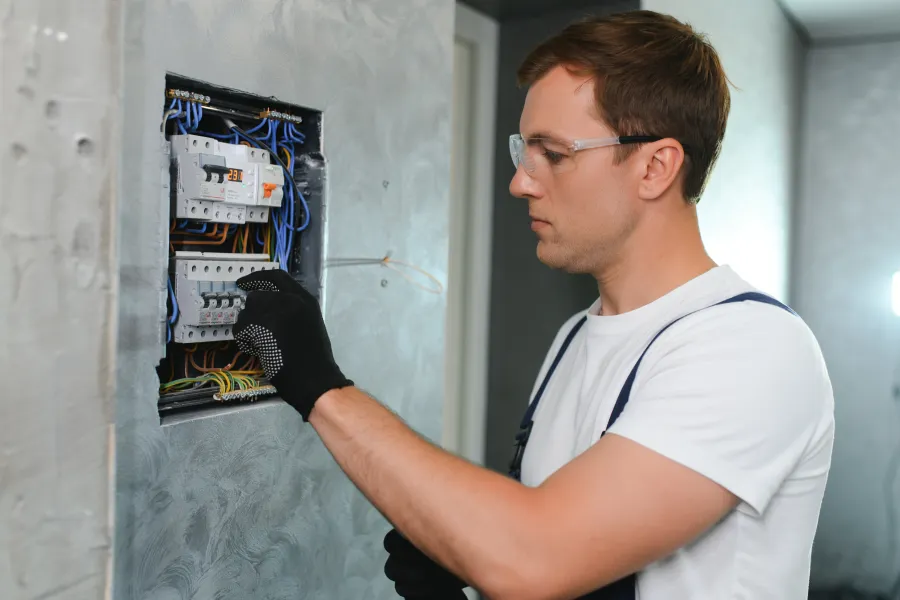
Safety must remain the absolute priority throughout every phase of the replacement process. Only licensed professionals should perform panel replacements, as this work involves direct contact with high-voltage service lines that remain energized until the utility company disconnects them. The main service lines entering your home carry lethal voltage even when the main breaker is off, making DIY attempts extremely dangerous. Qualified technicians use proper personal protective equipment including insulated gloves rated for the voltage level, safety glasses, and arc-flash protective clothing. They verify complete power disconnection with non-contact voltage testers before touching any components. The work area should be kept dry, as moisture creates dangerous conduction paths and the coastal humidity in this region makes this consideration particularly important. All metal components must be properly bonded and grounded according to current National Electrical Code standards. Technicians should never work alone on panel replacements, ensuring immediate assistance is available if an emergency occurs. Proper ventilation prevents accumulation of harmful gases if any components overheat during the process. Keep children and pets away from the work area throughout the entire project. Use only properly rated tools with insulated handles designed specifically for electrical work. Test all connections thoroughly before restoring power, checking for proper torque on terminal screws and secure wire attachments. Install appropriate labeling on all circuits immediately after connection, preventing confusion during future maintenance.
Selecting the Right Components and Configuration
Choosing appropriate components ensures your new system provides reliable service for decades. Select a main panel from reputable manufacturers known for quality and reliability, such as Square D, Siemens, Eaton, or General Electric. The panel should provide adequate circuit spaces for current needs plus at least 25 percent expansion capacity for future additions. Match the main breaker amperage to your service size, typically 200 amps for modern residential applications. Individual circuit breakers must be compatible with your chosen panel brand, as mixing manufacturers creates safety hazards and violates code requirements. Install combination AFCI/GFCI breakers on circuits serving living areas, bedrooms, kitchens, and bathrooms as required by current code. Use properly rated wire for each circuit, with 12-gauge copper for 20-amp circuits and 14-gauge for 15-amp circuits. The main service entrance cable must be sized appropriately for your total amperage, typically requiring 2/0 aluminum or 2 AWG copper for 200-amp service. Include a whole-house surge protector to guard sensitive electronics against voltage spikes, particularly important given the frequency of afternoon thunderstorms in the Gulf Coast area. Select a panel location that provides adequate clearance, with at least 36 inches of working space in front and 30 inches of width. Ensure the mounting surface is sturdy, level, and provides proper support for the panel’s weight. Consider upgrading to a panel with built-in monitoring capabilities that track energy usage and identify problematic circuits.
Professional Installation and Post-Replacement Verification
Professional installation guarantees your replacement meets all safety standards and code requirements. The installation process begins with utility disconnection, which must be coordinated and performed by authorized personnel. Technicians carefully remove the old panel after documenting all existing connections and circuit assignments. They mount the new panel securely, ensuring proper alignment and solid attachment to structural members. The service entrance cables are connected to the main breaker with proper torque specifications, preventing loose connections that could cause arcing. Each circuit wire is stripped to the correct length, inserted fully into breaker terminals, and tightened to manufacturer specifications. All neutral wires connect to the neutral bus bar, while ground wires attach to the grounding bus bar, maintaining proper separation as code requires. The grounding electrode conductor connects securely to your grounding system, whether that includes ground rods, a metal water pipe, or other approved electrodes. After all connections are complete, technicians perform thorough testing before requesting utility reconnection. They verify correct voltage at the main breaker, test each circuit for proper operation, and confirm that all safety devices function correctly. The final inspection by the local building department validates that all work meets current code standards. SES Electric, Inc. brings extensive experience in panel replacements throughout the region, having helped countless property owners upgrade their systems safely and efficiently. Our licensed technicians understand local code requirements, work closely with utility providers to minimize disruption, and ensure every installation meets the highest safety standards. We provide detailed circuit labeling, cleanup of the work area, and clear documentation of all work performed. Trust our professional team to handle this critical upgrade with the expertise and attention to detail your home deserves, ensuring reliable electrical service for years to come.